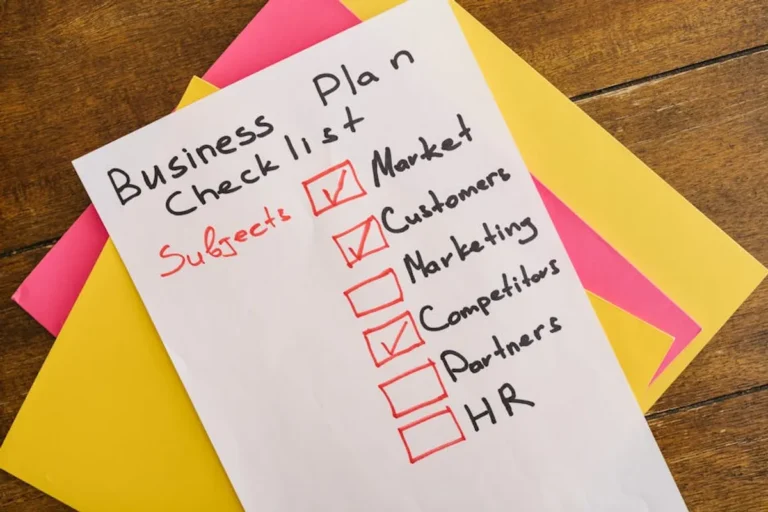

Growing a business often means navigating increased complexity without sacrificing efficiency or quality. As teams expand, processes multiply, and client demands escalate, the informal systems that worked for a smaller operation quickly become bottlenecks. This is where operational checklists prove indispensable. They are not merely static to-do lists; rather, they are dynamic frameworks designed to codify best practices, minimize errors, and ensure consistent execution across every critical function of your business. For any enterprise moving beyond its initial startup phase, implementing robust operational checklists is a foundational step toward scalable, predictable, and sustainable growth. They transform tribal knowledge into institutional assets, making every process repeatable and every outcome more reliable.
Defining Operational Checklists for Business Growth
Operational checklists are structured documents or digital tools that outline a series of steps or criteria required to complete a specific task, project, or process. Unlike simple task lists, they focus on sequential actions, critical decision points, and verification steps necessary to achieve a defined outcome consistently. For a growing business, their value lies in standardizing operations, which directly impacts scalability and service delivery.
- Standardization: Ensures every team member performs tasks to the same quality and efficiency benchmarks. This is crucial as new hires integrate and existing teams take on more responsibilities.
- Error Reduction: By breaking down complex processes into manageable steps, checklists prevent omissions and reduce the likelihood of mistakes, especially in high-stakes or repetitive tasks.
- Training & Onboarding: They serve as practical, hands-on training tools, accelerating the learning curve for new employees and ensuring they grasp essential procedures from day one.
- Accountability: Each step can be assigned and verified, fostering a culture of ownership and making it easier to track progress and identify areas needing improvement.
- Efficiency & Speed: By eliminating guesswork and ensuring all necessary components are considered, checklists streamline workflows, saving time and resources.
Core Areas Where Checklists Drive Value
Effective operational checklists extend beyond basic task management, integrating into various business functions to reinforce quality and consistency. They are particularly impactful in areas critical for client satisfaction, team productivity, and regulatory compliance.
Client Onboarding and Project Kick-off
For agencies and service-based businesses, the initial client experience sets the tone for the entire relationship. A detailed onboarding checklist ensures no critical step is missed, from contract signing to initial strategy sessions and access provisioning. This includes:
- Welcome packet delivery and review
- Account setup (CRM, project management tools, communication channels)
- Access requests (analytics, ad platforms, CMS)
- Initial discovery call agenda and key questions
- Setting clear expectations and communication protocols
Content Production and Publishing Workflow
Content is a cornerstone for many growing businesses, particularly in SEO and digital marketing. A checklist for content creation and publication ensures quality, consistency, and adherence to best practices.
Example Checklist Components:
Pre-Production:
- Keyword research and intent analysis complete
- Competitor content review conducted
- Content brief approved (topic, target audience, goal, CTA)
- Outline drafted and approved
Production:
- Draft written to brief specifications
- Internal SME review completed
- Fact-checking and source verification
- Grammar and spelling check
Post-Production/Publishing:
- SEO optimization applied (title tag, meta description, internal links, image alt text)
- Image/video assets created and optimized
- Call-to-action implemented and tested
- Publishing platform formatting verified
- URL structure confirmed
- Social media promotion assets prepared
- Analytics tracking configured
Sales and Lead Qualification Processes
Streamlining sales operations ensures that leads are properly qualified and nurtured, improving conversion rates and sales team efficiency. Checklists here can cover initial contact, discovery calls, proposal generation, and follow-up sequences.
Best for: Ensuring consistent lead scoring and proposal quality.
Quality Assurance and Compliance
For businesses operating in regulated industries or those committed to high service standards, QA and compliance checklists are non-negotiable. They verify that all regulatory requirements are met and that deliverables consistently meet internal quality benchmarks before reaching the client or market.
Pro Tip: Regularly review and update your operational checklists. Business processes evolve, and static checklists quickly become obsolete. Schedule quarterly or bi-annual reviews with the teams directly using them to ensure they remain relevant, efficient, and reflect current best practices. This iterative approach keeps them valuable and prevents resistance from team members.
Designing and Implementing Effective Checklists
Creating a checklist is straightforward, but designing an *effective* one requires thoughtful consideration of clarity, user experience, and integration into daily workflows.
Specificity and Clarity: Each step must be unambiguous. Instead of "Check SEO," specify "Verify title tag is under 60 characters and includes primary keyword." Use action verbs.
Logical Flow: Steps should follow a natural, sequential order. Group related tasks to improve readability and reduce cognitive load.
User-Friendly Format: Whether digital or physical, ensure the checklist is easy to read and interact with. Use checkboxes, clear headings, and minimal jargon. Digital tools often allow for automation and tracking, which is beneficial for scaling.
Pilot and Iterate: Introduce new checklists on a small scale, gather feedback from users, and refine them based on real-world application. This collaborative approach increases adoption and ensures the checklist genuinely solves operational challenges.
Integration with Tools: Integrate checklists directly into your project management software, CRM, or internal documentation platforms. This makes them accessible at the point of need and ensures they are not seen as an additional, separate burden.
Integrating Checklists for Sustainable Growth
The true power of operational checklists for growing businesses lies in their consistent application and continuous improvement. They are not one-time fixes but living documents that evolve with your company. By embedding them into your organizational culture, you empower teams to work autonomously, maintain high standards, and adapt to new challenges with greater agility. This systematic approach frees up leadership to focus on strategic initiatives rather than day-to-day firefighting, ultimately propelling sustainable growth and market differentiation.
Frequently Asked Questions
Are operational checklists only for large companies?
No, operational checklists are beneficial for businesses of all sizes, especially growing ones. They establish foundational processes early, preventing chaos and inefficiency as the company scales. Implementing them from a smaller base makes scaling significantly smoother.
How often should operational checklists be updated?
Checklists should be reviewed and updated regularly, ideally quarterly or bi-annually, or whenever a process changes significantly. Involving the teams who use them daily ensures they remain accurate and effective.
Can checklists stifle creativity or flexibility?
When designed well, checklists enhance rather than stifle creativity. They handle the routine, repetitive tasks, freeing up mental energy for more complex, creative problem-solving. They provide a reliable framework within which innovation can thrive, ensuring core tasks are consistently executed.
What's the best way to introduce new checklists to a team?
Introduce new checklists with clear communication about their benefits (e.g., reducing errors, saving time, improving consistency). Involve team members in the creation and testing process to foster ownership and reduce resistance. Provide training and integrate them seamlessly into existing workflows and tools.